
Hot Keywords:
- All
- Product Name
- Product Keyword
- Product Model
- Product Summary
- Product Description
- Multi Field Search
 English

Views: 0 Author: Site Editor Publish Time: 2026-03-30 Origin: Site


Hydrogen peroxide is widely known for its disinfecting properties and is commonly used in wound care, cleaning, and even in some beauty treatments. Over the years, hydrogen peroxide has also gained popularity as a potential teeth-whitening agent. But is it safe and effective for this purpose? In this article, we’ll explore how hydrogen peroxide can be used to whiten teeth, the safety considerations to keep in mind, and alternatives for those who may want to explore other teeth whitening options.
Hydrogen peroxide (H₂O₂) is a chemical compound made of water and oxygen. It is often used as a disinfectant, antiseptic, and bleach due to its powerful oxidizing properties. It is available in various concentrations, ranging from 3% for household use to 30% or more in industrial applications. In the context of teeth whitening, hydrogen peroxide is used as a mild bleaching agent that helps remove stains and discoloration from the enamel of teeth.
Teeth whitening works by using chemicals or abrasives that break down stains on the tooth surface, making the teeth appear lighter. There are two main types of stains on teeth: extrinsic and intrinsic. Extrinsic stains are surface-level stains caused by food, drinks, and smoking, while intrinsic stains are deeper, often resulting from aging or trauma. Teeth whitening products typically target extrinsic stains, but some stronger treatments can address intrinsic discoloration as well.
Several methods are commonly used for teeth whitening, ranging from over-the-counter products to professional treatments. These include:
· Whitening Toothpastes: Mild abrasives in these pastes polish teeth and remove surface stains.
· At-Home Whitening Kits: Contain whitening gels or strips that are applied over a period of time.
· Professional Whitening: Performed by a dentist, this method uses stronger whitening agents and can produce faster, more noticeable results.
Hydrogen peroxide falls under the at-home whitening category and is commonly found in various whitening products, including mouthwashes and gels.
Hydrogen peroxide is used in whitening treatments because of its ability to break down stains and lighten the color of teeth. It’s an oxidizing agent, meaning it can break down organic compounds, such as those found in stains on teeth. This oxidation process works by releasing oxygen, which helps to lift stains from the enamel of the teeth, making them appear brighter. Many professional teeth-whitening treatments also use hydrogen peroxide due to its effectiveness and relatively low cost.
When hydrogen peroxide is applied to teeth, it penetrates the enamel and releases oxygen molecules that break up the chemical bonds in stains. The reaction occurs as follows:
H2O2→H2O+O2H_2O_2 \rightarrow H_2O + O_2H2O2→H2O+O2
This chemical breakdown releases oxygen, which targets the organic compounds that cause the discoloration on your teeth, ultimately lifting the stains away from the surface. This process is similar to how hydrogen peroxide is used to clean wounds, where it breaks down organic material.
Hydrogen peroxide can be effective in whitening teeth, particularly for surface stains caused by food and drink. However, it is not a miracle solution and works best for people with mild to moderate staining. The effectiveness depends on the concentration of hydrogen peroxide used and the frequency of application. For noticeable results, the concentration usually needs to be around 3% or higher, which is commonly found in over-the-counter products.
While hydrogen peroxide is effective at whitening teeth, it is not without risks. Overuse or high concentrations of hydrogen peroxide can lead to side effects such as:
· Enamel Damage: Prolonged exposure to hydrogen peroxide can weaken tooth enamel, the protective outer layer of the tooth. This can lead to increased tooth sensitivity and greater susceptibility to cavities.
· Gum Irritation: Hydrogen peroxide can cause irritation to the gums if it comes into prolonged contact with them. This can result in redness, soreness, and even chemical burns in extreme cases.
· Tooth Sensitivity: Using hydrogen peroxide too frequently can lead to increased tooth sensitivity, particularly to hot or cold foods and beverages.
For these reasons, it’s important to use hydrogen peroxide with caution and avoid prolonged exposure. Always follow the instructions on any whitening product and consult a dentist if you have concerns about using hydrogen peroxide.
The concentration of hydrogen peroxide plays a significant role in its safety and effectiveness. Over-the-counter products usually contain hydrogen peroxide concentrations of around 3%. This concentration is considered safe for home use and is commonly found in whitening gels, mouthwashes, and toothpaste.
Higher concentrations (10% or more) should only be used under the supervision of a dentist, as they can increase the risk of enamel damage, gum irritation, and tooth sensitivity. It's essential to avoid using highly concentrated hydrogen peroxide solutions directly on your teeth, as they can be too harsh for regular use.
For safe and effective whitening, hydrogen peroxide should not be used excessively. Typically, it’s recommended to apply hydrogen peroxide-based whitening products once or twice a week to avoid damaging the enamel or irritating the gums. If you experience any discomfort or sensitivity, discontinue use and consult your dentist.
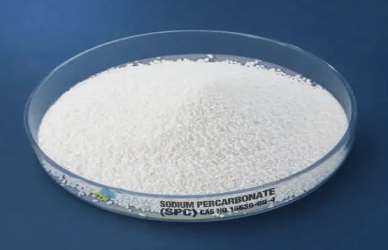
One of the simplest ways to use hydrogen peroxide for teeth whitening is by adding it to your regular toothpaste. You can mix a small amount of 3% hydrogen peroxide with your toothpaste and use it to brush your teeth. This method is effective for light stains but should be done sparingly to avoid enamel damage.
Here’s a simple guide for using hydrogen peroxide with toothpaste:
Step | Instructions |
1. Mix with Toothpaste | Add a few drops of 3% hydrogen peroxide to your toothpaste. |
2. Apply to Teeth | Brush your teeth gently, ensuring the mixture covers all surfaces. |
3. Rinse | Rinse thoroughly with water after brushing. |
A hydrogen peroxide rinse is another easy method to whiten your teeth. For a whitening rinse, dilute 3% hydrogen peroxide with equal parts water. Swish the solution around your mouth for 30 seconds to 1 minute, then spit it out and rinse your mouth with water. This method helps remove surface stains and disinfects your mouth, but it should not be used frequently to prevent damage to your teeth and gums.
Many teeth-whitening products on the market contain hydrogen peroxide. These products, such as whitening strips, gels, and mouthwashes, are formulated with controlled amounts of hydrogen peroxide, making them a safer option than using undiluted hydrogen peroxide. Always follow the manufacturer’s instructions for best results.
If you are concerned about the potential risks of hydrogen peroxide, there are several natural alternatives to consider. Some popular natural teeth-whitening methods include:
· Baking Soda: Mild abrasives in baking soda can help remove surface stains without the risk of damage.
· Activated Charcoal: Known for its ability to absorb impurities, activated charcoal can help whiten teeth by removing stains.
· Coconut Oil Pulling: Swishing coconut oil in your mouth may help reduce bacteria and remove surface stains.
While these methods can be effective for light stains, they may not produce the same dramatic results as hydrogen peroxide or professional treatments.
Many over-the-counter teeth-whitening products are available that don’t require the use of hydrogen peroxide. These include whitening strips, gels, and toothpaste with activated charcoal, sodium bicarbonate, or other mild bleaching agents. These products may be less abrasive and safer for individuals with sensitive teeth.
For individuals seeking more dramatic results, professional teeth whitening treatments performed by a dentist offer the most effective option. These treatments use stronger hydrogen peroxide solutions and can provide immediate, noticeable results. Dentists also have access to special techniques that minimize the risk of side effects such as tooth sensitivity and gum irritation.
Yes, hydrogen peroxide can help break down stains on teeth and is often used in professional whitening treatments.
Results can vary, but typically, you may start noticing a difference after a few days to a week of consistent use.
Overuse of hydrogen peroxide, especially in high concentrations, can irritate the gums and weaken tooth enamel.
It’s recommended to use hydrogen peroxide sparingly, around once or twice a week, to avoid damage to enamel or gums.
Hydrogen peroxide is an effective and affordable option for whitening teeth, particularly for those with surface stains. Its oxidizing properties break down stains, making teeth appear brighter and whiter. However, it should be used with care to avoid potential risks, such as enamel damage and gum irritation. When used at appropriate concentrations (3%) and in moderation, hydrogen peroxide can be a safe and effective teeth-whitening solution. While it is a convenient option for many, it’s crucial to follow safety guidelines to minimize harm. Individuals with sensitive teeth or gums should proceed cautiously and consider consulting a dentist before using hydrogen peroxide for whitening. Additionally, alternative whitening methods and professional treatments may be more suitable for those seeking longer-lasting or gentler results.
