
Hot Keywords:
- All
- Product Name
- Product Keyword
- Product Model
- Product Summary
- Product Description
- Multi Field Search
 English

Views: 0 Author: Site Editor Publish Time: 2026-03-24 Origin: Site


Hydrogen peroxide (H₂O₂) is a widely known chemical that has multiple applications, including cleaning, disinfecting, and even first aid. One of the most fascinating and noticeable characteristics of hydrogen peroxide is its ability to bubble and foam when exposed to certain substances. This bubbling action plays a crucial role in its effectiveness as a disinfectant and cleaning agent. But what exactly causes this bubbling, and why is it so significant in various applications? In this article, we will explore the science behind hydrogen peroxide's bubbling action, its practical uses, safety concerns, and much more.
Hydrogen peroxide is a simple chemical compound made up of two hydrogen atoms and two oxygen atoms (H₂O₂). It is a colorless liquid with strong oxidizing properties, making it an effective disinfectant and bleaching agent. It is commonly found in concentrations ranging from 3% (used for household purposes) to higher concentrations (used in industrial applications). Despite being widely used, hydrogen peroxide is often misunderstood, especially when it comes to its bubbling reaction.
Hydrogen peroxide has a wide range of uses in both household and industrial settings. Some of the most common applications include:
· Household Cleaning: Used to clean surfaces, disinfect countertops, and even remove stains from clothing.
· Wound Cleaning: A common first-aid treatment for minor cuts, abrasions, and skin injuries.
· Whitening Agent: It is used in some tooth-whitening products, as well as for whitening fabrics and cleaning stains.
· Industrial Applications: Used in paper bleaching, wastewater treatment, and as a propellant in rocket engines.
The bubbling effect, in particular, is a key factor in many of these uses.
The bubbling effect of hydrogen peroxide occurs when it breaks down into water (H₂O) and oxygen (O₂). This process is known as decomposition, and it is initiated when hydrogen peroxide comes into contact with certain substances, such as organic material, metals, or specific enzymes. The breakdown of hydrogen peroxide is an exothermic reaction, meaning it releases energy, typically in the form of heat.
The chemical equation for the decomposition of hydrogen peroxide is:
2H2O2→2H2O+O22 H_2O_2 \rightarrow 2 H_2O + O_22H2O2→2H2O+O2
This reaction produces oxygen gas, which is what causes the characteristic bubbling and foaming. In pure hydrogen peroxide, this decomposition can occur slowly, but when the compound comes into contact with a catalyst or specific environmental conditions, the reaction speeds up, producing visible bubbles.
One of the key factors that accelerate the decomposition of hydrogen peroxide is the presence of the enzyme catalase, which is found in many living organisms, including humans. Catalase acts as a catalyst, speeding up the breakdown of hydrogen peroxide into water and oxygen.
When hydrogen peroxide comes into contact with tissues, such as when it’s applied to a wound, the catalase enzyme in the tissue speeds up the reaction, resulting in an increased production of oxygen bubbles. This bubbling action helps clean the wound by physically removing debris and pathogens from the surface of the tissue, which is one reason why hydrogen peroxide is so commonly used for first aid.
As mentioned, hydrogen peroxide decomposes into water and oxygen. However, the presence of certain substances, such as enzymes or organic material, can influence the rate of this decomposition. When hydrogen peroxide comes into contact with an organic surface, such as dirt, blood, or a wound, the reaction becomes much more vigorous, leading to an increased release of oxygen and more pronounced bubbling.
The key enzyme responsible for this rapid reaction is catalase, as already discussed. Catalase is particularly abundant in the liver and blood, and it plays a vital role in breaking down hydrogen peroxide in the body. When hydrogen peroxide is applied to an open wound, the catalase enzyme in the cells speeds up the breakdown of hydrogen peroxide, causing the oxygen to be released more quickly, resulting in visible bubbles.
Here is a simplified breakdown of the decomposition process:
Substance | Effect |
Hydrogen Peroxide (H₂O₂) | Breaks down into water (H₂O) and oxygen (O₂). |
Catalase (Enzyme) | Speeds up the breakdown process, increasing the oxygen release. |
Oxygen Gas (O₂) | Released as bubbles, contributing to the visible foam. |
Several factors can influence the rate of bubbling in hydrogen peroxide:
· Concentration: Higher concentrations of hydrogen peroxide (e.g., 30%-50%) tend to bubble more vigorously compared to the standard 3% solution. This is because there is more hydrogen peroxide available to decompose, leading to a faster release of oxygen.
· Temperature: Higher temperatures can increase the rate of the decomposition process, causing hydrogen peroxide to bubble more rapidly. This is why hydrogen peroxide stored in warm conditions or applied to warm surfaces may exhibit more intense bubbling.
· Surface Type: Organic surfaces, such as blood, tissue, or dirt, contain catalase, which accelerates the decomposition process and produces more bubbles.
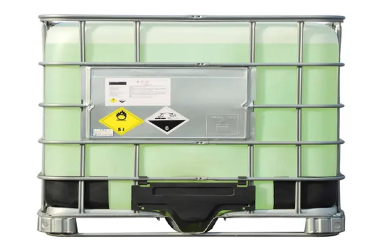
The bubbling action of hydrogen peroxide is one of the main reasons it is so effective for cleaning and disinfection. The oxygen released during decomposition helps to lift dirt and debris from surfaces, making it easier to clean. Additionally, the bubbling action has a mild abrasive effect, which can help to remove stains and grime from hard-to-reach areas.
Hydrogen peroxide is used to clean countertops, kitchen appliances, and even bathroom surfaces. It is also effective in removing mildew and mold from surfaces, as the oxygen released by the decomposition can kill the spores responsible for these growths.
When applied to minor cuts, scrapes, or abrasions, the bubbling action of hydrogen peroxide can help cleanse the wound by removing dirt, bacteria, and dead tissue. The oxygen produced by the decomposition assists in flushing out debris, making it easier to disinfect the area. While hydrogen peroxide is effective for minor wounds, it should be used with caution to avoid damaging healthy tissue or delaying the healing process.
Hydrogen peroxide is also used in industrial settings, where its bubbling action plays a significant role. For example, in wastewater treatment, hydrogen peroxide is often used to break down organic contaminants. The oxygen released helps to purify the water, making it safer for release into the environment. Similarly, hydrogen peroxide is used in paper and textile industries for bleaching, with the bubbling action aiding in the removal of stains and discoloration.
While hydrogen peroxide is generally safe to use at low concentrations, the bubbling action can sometimes cause irritation or injury if not handled properly. For example, when using hydrogen peroxide on the skin, the bubbling action can lead to dryness, irritation, or even burns if the solution is too concentrated. In higher concentrations (e.g., 30%-50%), hydrogen peroxide can cause significant skin damage, especially if left on for too long.
To safely handle hydrogen peroxide, it is essential to follow safety guidelines:
· Use Proper Concentrations: For household cleaning and first aid, always use a 3% hydrogen peroxide solution to minimize the risk of irritation.
· Wear Protective Gear: When using higher concentrations of hydrogen peroxide, wear gloves and goggles to protect your skin and eyes from potential irritation or burns.
· Store Properly: Always store hydrogen peroxide in a cool, dark place to prevent it from breaking down prematurely.
Overusing hydrogen peroxide or leaving it on the skin for extended periods can lead to unnecessary irritation or even chemical burns. It is crucial to rinse off hydrogen peroxide promptly after use, especially if it’s applied to the skin or wounds.
Hydrogen peroxide bubbles when it decomposes, releasing oxygen. This helps to cleanse the wound by removing dirt and bacteria.
In pure form, hydrogen peroxide may not bubble significantly. However, when it contacts organic materials like blood or dirt, the reaction is accelerated, leading to more bubbles.
Warmer temperatures increase the rate of decomposition, leading to more vigorous bubbling. It’s important to store hydrogen peroxide in cool, dark places to maintain its stability.
Hydrogen peroxide is effective for initial wound cleaning but should not be used frequently, as it can damage healthy tissue and slow healing. It’s best to use it sparingly and consider alternative treatments for prolonged use.
The bubbling action of hydrogen peroxide occurs when it breaks down into water and oxygen, a process that is accelerated by enzymes like catalase. This breakdown releases oxygen gas, which creates the visible bubbles and foaming. This reaction is crucial for many of hydrogen peroxide's applications, including its use in cleaning and wound care. The bubbling effect makes hydrogen peroxide an excellent disinfectant and cleaner, effectively removing dirt, bacteria, and debris from various surfaces. However, it is important to use hydrogen peroxide with caution, especially at higher concentrations, as the same bubbling action can cause irritation, burns, or damage to healthy tissue if not handled properly. While it is effective for treating minor wounds and for general cleaning purposes, hydrogen peroxide should be used sparingly to avoid potential harm.
